A Sector Darkly Trading, Silk Road & Economy
Ride simulated trade lanes from belts to refineries to ports — then spend the profit on research and survival.
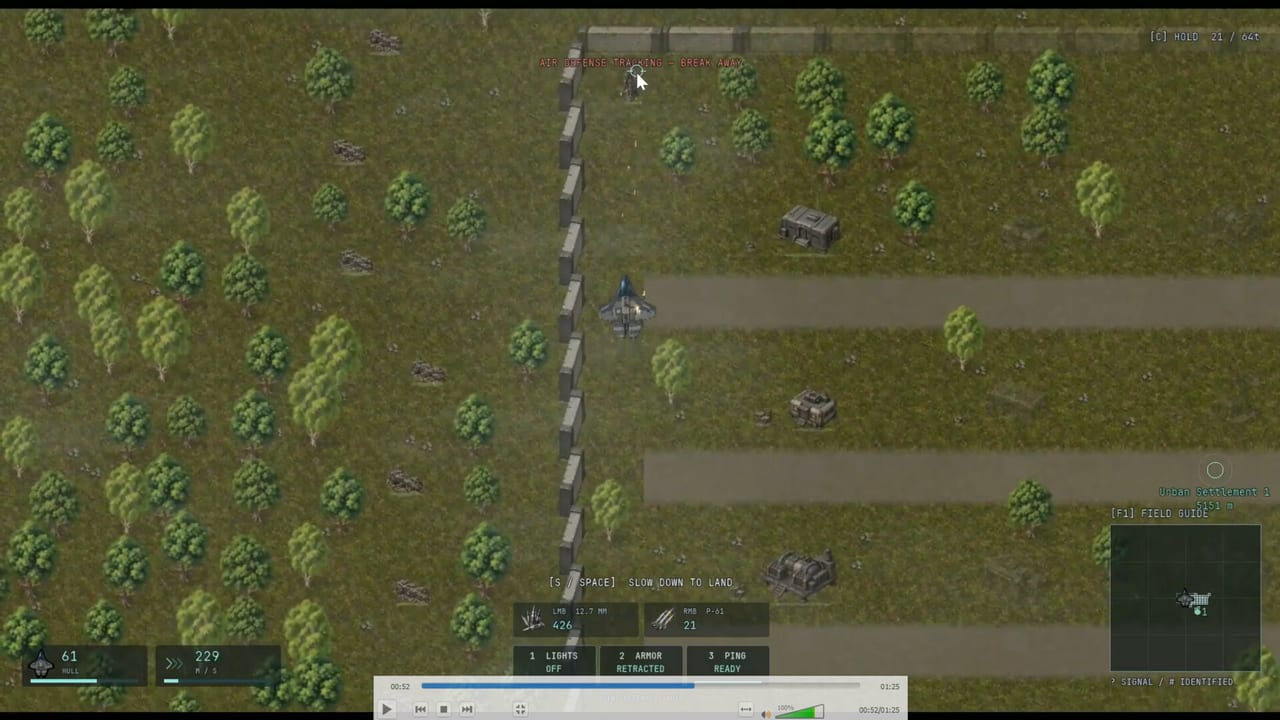
Trade in A Sector Darkly is a living logistics sim, not a static buy-low board. Miners pull ore from belts toward refineries. Traders move goods and raw ores locally to star ports and industrial stations. Haulers and freighters push volume across the sector. Military patrols try to keep lanes open against hostiles and invading U’Guul. You are one ship inside that flow — free to haul lawfully, scavenge wrecks, take missions for favor and research help, or seize what you want by force. This guide covers Silk Road routing, station types, distress opportunities, cargo mass tradeoffs, and how credits feed crafting for the November 25, 2026 Windows Steam release by A Paradise Lost Studios. Verify numbers and UI after launch on Updates.
New captains should skim Getting Started and Exploration for starmap filters before planning long hauls. Industrial payoffs connect to Crafting and Research; politics live in Factions. Drone mining that stocks your holds is detailed in Drones and Runabout.
The Silk Road and trade-lane thinking
Public starmap materials highlight a primary trade route called the Silk Road, with other systems dimmed so the spine of commerce is readable. Filters also show stargate links, wormholes, stations, belts, and traffic intelligence. Use that overlay to:
- Find worthwhile trade runs and pin them for later.
- Avoid treating every star as equal — volume concentrates on lanes.
- Plan fuel, food, water, and magazine depth for the real length of a haul, including detours when a sector darkens.
There is a lot to trade and a lot of logistics moving through the sector. Developer notes emphasize fully simulated cargo — no magic teleport freight. Your advantage is reading the panel, not inventing arbitrage from vibes.
Miners, refineries, ports, and haulers
Think in supply chain stages:
- Miners extract from asteroid belts.
- Refineries / industrial stations process inputs; they care about throughput, not your hull cosmetics.
- Large and Small Space Ports are where captains repair, convert research, and interface with broader services.
- Haulers / freighters move goods at sector scale along protected or contested lanes.
As a player you can plug into any stage: mine with drones, buy low near extraction, sell into port demand, escort a lane for favor, or prey on traffic if you accept the political cost. Lawful trade builds relationships; scavenging and force can pay faster and burn standing. Choose knowingly — see Factions before you turn a Silk Road stop into a pirate story.
Station types: who repairs, who just processes
Not every dock is the same. Large and Small Space Ports are the practical homes for repair services and the research-conversion fantasy described in crafting guides. Refineries and industrial sites focus on processing; do not expect them to care about your scratched paint the way a space port does. Build a mental directory:
- Need armor fixes, tows, or Research Point conversion? Aim for space ports — especially large ones for iron-man save logic and full services.
- Need to move ore or intermediates? Talk to the industrial chain.
- Need intelligence on lane health? Watch distress and patrol signals on the starmap, not only commodity prices.
Missions, favor, and research assistance
Steam copy calls out missions that gain favor and research assistance alongside mining, scavenging, salvaging, pillaging, and protecting trade lanes. Favor is insurance: cordial relations unlock help when you are under attack, damaged, or disabled. Research assistance shortens the Exploration Points → Codex → Research Points pipeline at ports. A clean mission board loop often beats one lucky pirate score because it compounds into fabricator unlocks instead of only credits.
Distress calls, tows, and marauder problems
Starmap intelligence includes distress calls, pirate activity, patrols, and traffic status. When a ship sends a distress call, the assignment is open to NPC patrols and to you. You may have a window to rescue before scavengers dismantle the prize. Signals clear after you or a patrol responds — they are investigated, not ignored. Local support stations send repair or tow craft once lanes are clear.
Player angles:
- Answer distress for favor, salvage rights, or story beats.
- Request repairs or a tow yourself when relations allow.
- Secure or clear marauder bases that threaten a lane you intend to farm.
- Do not AFK on a hostile lane waiting for free loot while your mothership burns.
Support craft help here too: repair drones stabilize you after a rescue fight, and a runabout can scout a distress site before the mothership commits (Drones and Runabout).
Cargo mass versus combat magazines
Every ton of trade goods competes with food, water, spare parts, probes, and combat magazines. A hold stuffed for maximum margin is a hold that cannot absorb a missile storm. Rules of thumb:
- On contested Silk Road edges, leave magazine and PD depth even if the spreadsheet screams for one more crate.
- On quiet industrial hops, lean into cargo — then convert profit into research and fittings at the next large port.
- After U’Guul contact patterns, never sell down your PD magazines to chase a thin trade delta.
Combat discipline belongs in Combat; the economy lesson is simply that mass is a shared budget.
Economy loop that feeds research and crafting
Trade is not an endgame scoreboard. Credits and materials exist to keep the crew alive and the fabricator fed:
- Read Silk Road and local demand on the starmap.
- Haul, mission, or scavenge within your risk tolerance.
- Dock at a suitable space port — repair, resupply, convert Exploration Points and Codex progress into Research Points.
- Spend at the ship fabricator on the system that failed last run.
- Return to the lanes with a stronger fit.
That loop is the same sentence as Crafting and Research, with commerce as the fuel. Bookmark Links for Steam news if economy panels change post-launch, and keep the Guides Hub open while you rotate topics.
Suggested first trading sessions
- Filter the starmap to the Silk Road and pin one short lawful run.
- Stock life support and a combat reserve before undocking.
- Complete one favor mission in the same region.
- Sell, repair at a space port, convert any research currency, fabricator one weak link.
- Only then extend range toward darker or contested edges.
Trade carefully, protect your magazines, and let the simulated economy bankroll survival instead of replacing it.
Frequently Asked Questions
Quick answers to the most common questions.
What is the Silk Road in A Sector Darkly?
It is the highlighted primary trade route on the starmap. Filters dim other systems so you can plan runs along the sector's main commercial spine.
How does the NPC economy move goods?
Miners feed refineries, local traders move ores and goods to ports and industrial stations, and haulers push large-scale freight across the sector under military patrol pressure.
Do refineries repair my ship?
Focus repair and full port services on Large and Small Space Ports. Refineries and industrial stations care about processing throughput, not captain hospitality.
Should I always trade lawfully?
Lawful trade and missions build favor and research help. Scavenging or force can pay faster but costs standing — read Factions before you raid a lane you still need.
How does trading help crafting?
Credits and materials from hauls and missions fund supplies and support the port loop that turns Exploration Points and Codex progress into Research Points for the fabricator.